Unlock Creative Potential with Letters and Numbers Tracing
Tracing letters and numbers isn’t just a childhood exercise—it’s a powerful tool for creative development, skill-building, and content creation. Whether you're a designer, educator, or independent publisher, incorporating Letters and Numbers Tracing into your workflow can open new avenues for expression and productivity. This versatile approach blends structure with creativity, making it ideal for both personal projects and professional applications.
What Makes Letters and Numbers Tracing Useful?
At its core, Letters and Numbers Tracing involves guiding users through the formation of characters and digits using dotted or dashed outlines. This method supports fine motor development, handwriting practice, and cognitive recognition. But beyond early education, it serves as a foundation for creative layouts, custom workbooks, and digital assets.
For creators and educators, tracing templates offer a reusable framework. They provide a structured starting point that can be customized for different age groups, learning goals, or design aesthetics. Whether you're crafting activity books, designing lesson plans, or developing branded materials, tracing templates streamline the process while maintaining a professional finish.
How to Use Tracing Templates Creatively
The flexibility of Letters and Numbers Tracing makes it adaptable across industries and formats. Here are a few ways to incorporate it into your creative toolkit:
- Workbook Creation: Use tracing pages as a base for custom activity books, journals, or guided learning tools. Ideal for self-publishing on platforms like KDP, these templates help you produce polished interiors quickly.
- Branded Educational Content: Designers can integrate tracing exercises into branded educational kits for businesses, schools, or online courses.
- Therapeutic and Mindful Design: Leverage tracing for calming, repetitive tasks in adult coloring books or mindfulness journals.
- Language and Literacy Tools: Build multilingual learning resources by combining tracing with vocabulary or phonics practice.
Adapting for Different Audiences and Goals
One of the most compelling aspects of Letters and Numbers Tracing is its adaptability. The same template can be repurposed for vastly different audiences:
- Young Learners: Focus on basic shapes, letter sounds, and number recognition. Pair with illustrations and simple instructions to create engaging early learning books.
- Adult Learners: Use tracing for handwriting improvement, language acquisition, or artistic development. Incorporate it into guided journals or skill-building workbooks.
- Designers and Publishers: Leverage professionally designed templates to maintain consistency and save time when creating multiple titles or series.
- Entrepreneurs: Launch your own line of low-content books on Amazon KDP by offering themed tracing books—think calligraphy practice, business journaling, or personal development prompts.
Creating Effective and Organized Tracing Content
To ensure your tracing content is both engaging and functional, consider these practical tips:
- Use Consistent Layouts: Maintain a clean, predictable format so users can focus on the tracing without distractions.
- Choose the Right Font: Since this template does not include fonts, select a dotted font that’s clear and easy to follow. Test different styles to find what works best for your audience.
- Balance White Space: Avoid cluttering pages. Leave room for notes, creativity, or additional exercises around the tracing elements.
- Organize by Skill Level: Group pages by difficulty or theme to help users progress naturally through the content.
- Ensure Print Readiness: Since the template is 8.5x11 inches with bleed, double-check margins and formatting to ensure a professional print result.
How to Stay Original and Audience-Friendly
While tracing templates provide a strong foundation, originality comes from how you build upon them. Consider these strategies to keep your content fresh and relevant:
- Add Visual Themes: Integrate seasonal or cultural elements into your tracing pages to create timely or niche-specific books.
- Combine with Other Activities: Pair tracing with matching games, puzzles, or writing prompts to increase engagement and interactivity.
- Customize for Platforms: Tailor your content for different platforms—optimize for print-on-demand, digital downloads, or hybrid formats.
- Include Progression: Offer a clear learning arc from simple to complex, giving users a sense of achievement as they progress.
Why This Template is a Must-Have for KDP Publishers
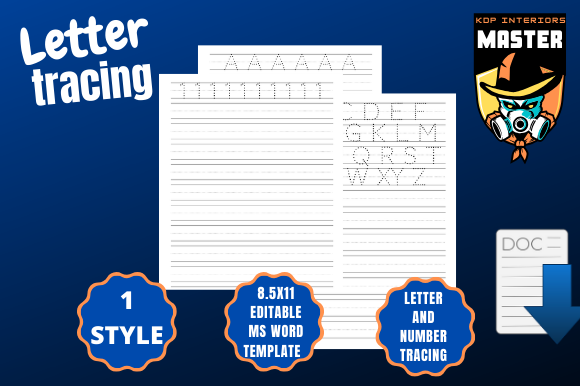
For independent publishers and content creators, having a reliable MS Word template for Letters and Numbers Tracing is invaluable. This 100-page interior template is professionally designed, easy to edit, and formatted for 8.5x11-inch print with bleed. It’s ideal for building a library of low-content books quickly and efficiently.
Because it’s fully editable, you can tailor each page to suit your brand or audience. Whether you're creating tracing books for preschoolers, language learners, or mindfulness enthusiasts, this template gives you a head start without sacrificing quality.
Keep in mind that while the template includes layout and design elements, you’ll need to source your own dotted font. Choose one that aligns with your book’s tone and ensures readability.
Final Thoughts: Make It Yours
Letters and Numbers Tracing is more than just a workbook exercise—it's a flexible creative tool that empowers creators across industries. Whether you're designing for kids, educators, entrepreneurs, or yourself, this approach offers structure without limiting imagination.
By combining thoughtful design, audience-focused content, and strategic formatting, you can turn a simple tracing template into a powerful resource. So, download your template, choose your font, and start building something truly original. Your next creative project is just a trace away.