Room Chore List: A Designer’s Guide to Practical Visual Organization
In the world of graphic design, clarity and structure often determine the success of a visual project. The Room Chore List concept—originally rooted in personal organization—has found a surprising yet effective place in design workflows, especially when creating branded content, editorial layouts, and digital products. This structured format offers a clean, easy-to-follow visual framework that designers can adapt across multiple platforms, from social media templates to printable PDFs and presentation decks.
At its core, the Room Chore List serves as a blueprint for visual consistency. Whether designing for print or digital media, the format promotes readability, hierarchy, and user engagement. Designers working on brand identity, marketing materials, or UI/UX projects can leverage this layout to enhance communication and guide the viewer’s eye with purposeful spacing and typography.
Designing with Purpose: Branding and Visual Identity
When applied to branding, the Room Chore List becomes more than just a checklist—it becomes a design asset. For instance, a minimalist brand might use a clean, grid-based layout with soft pastel colors and modern sans-serif fonts to reflect a calm, organized lifestyle. In contrast, a bold brand targeting teens could opt for high-contrast colors, dynamic icons, and playful typography to convey energy and fun.
This flexibility makes the Room Chore List ideal for:
- Branded printable planners
- Social media graphics for productivity influencers
- Corporate onboarding kits
- Productivity apps and digital dashboards
Practical Applications Across Design Disciplines
From editorial design to packaging, the Room Chore List format can be repurposed in numerous creative ways. Here are a few examples of how designers can integrate this layout into their projects:
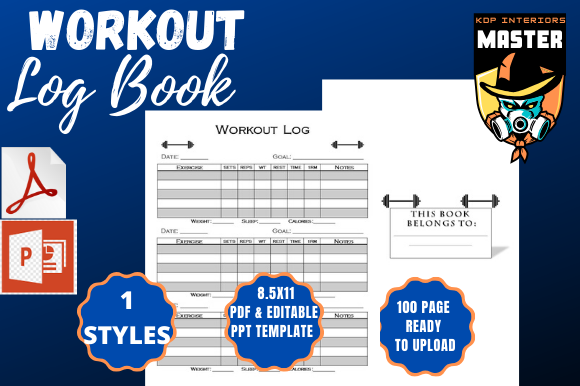
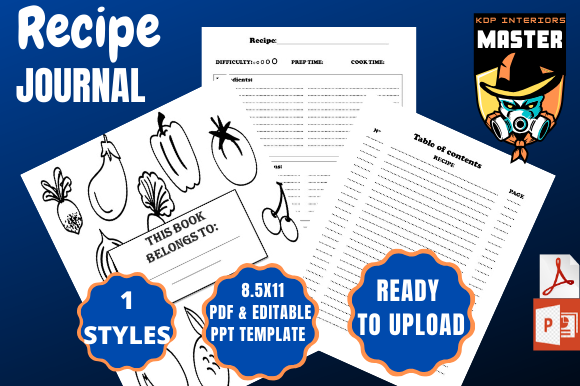
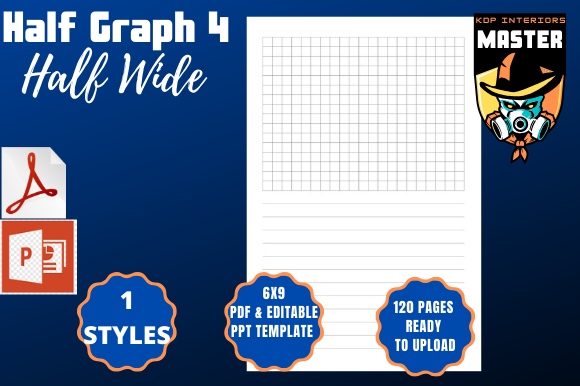
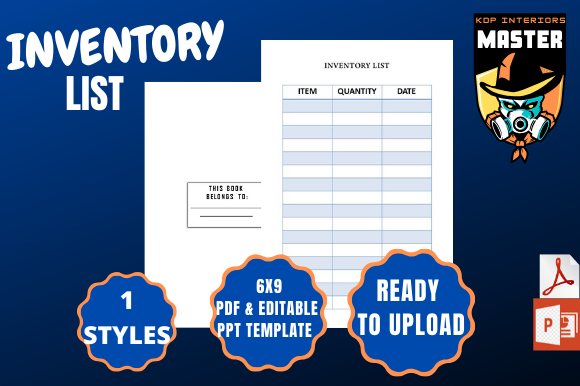
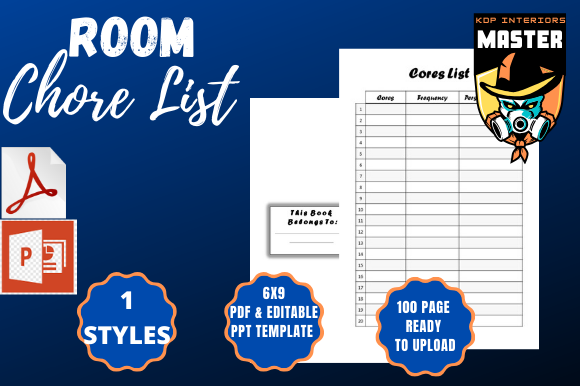
- Print Design: Use the 6×9 inch format with bleed settings on to create a compact, professional-looking booklet ideal for KDP publishing or branded giveaways.
- Web & UI Design: Adapt the checklist layout into a responsive web component or app interface that guides users through tasks with visual clarity.
- Presentation Design: The included PPT file can be customized for client pitches, team meetings, or training sessions, ensuring a consistent visual tone across slides.
Designers should consider typographic choices carefully—using font pairings that enhance readability and reinforce brand personality. A clean heading font with a complementary body font ensures that the Room Chore List remains both visually appealing and functionally effective.
Color and Composition: Key Considerations
Color plays a crucial role in making the Room Chore List visually engaging. A well-chosen color palette can differentiate between completed and pending tasks, highlight priority items, or align with brand guidelines. Designers should aim for a balance between contrast and accessibility, ensuring that the checklist remains usable for all audiences.
For print-ready files, especially those destined for KDP or other self-publishing platforms, maintaining proper bleed settings and file resolution is essential. A 100-page PDF with consistent formatting ensures a professional finish, while the PPT version allows for dynamic, interactive presentations that keep clients or team members engaged.
Whether you're crafting a digital marketing campaign, designing a lifestyle brand, or building a branded productivity tool, the Room Chore List offers a versatile and visually compelling solution. By combining thoughtful typography, strategic color use, and intentional layout design, you can elevate a simple checklist into a powerful communication tool that supports branding, enhances user experience, and streamlines your creative workflow.