Workout Log Book: A Designer’s Guide to Practical Typography
Workout Log Book isn’t just a font—it’s a design solution crafted for clarity, consistency, and visual appeal. Whether you're working on branding materials, editorial layouts, or digital graphics, this typeface brings a clean, structured aesthetic that enhances readability without sacrificing personality. With its balanced proportions and modern sans-serif design, Workout Log Book fits seamlessly into both print and digital environments, making it a versatile choice for creatives across industries.
At first glance, Workout Log Book stands out for its no-nonsense approach to typography. It avoids excessive ornamentation, focusing instead on legibility and adaptability. The font maintains a strong visual presence whether used in headlines, subheadings, or body text. Its open letterforms and consistent spacing ensure that content remains easy to digest, even at smaller sizes. This makes it especially effective for long-form editorial work, product packaging, and user interface design where clarity is essential.
One of the most compelling aspects of Workout Log Book is its ability to function across a wide range of creative applications. Designers working on brand identity projects will appreciate how it supports a clean, modern aesthetic that communicates professionalism and approachability. It works particularly well in fitness, wellness, and lifestyle branding, where a balance of strength and readability helps convey both motivation and trust.
Where Workout Log Book Shines
From editorial spreads to web design, Workout Log Book adapts effortlessly to different mediums. In print, it performs exceptionally well in magazines, workbooks, and packaging design, where its structured appearance reinforces a sense of organization and professionalism. For digital use, the font maintains its clarity on screens, making it ideal for websites, social media graphics, and presentation slides.
- Brand Identity: Use Workout Log Book in logo design and marketing materials to establish a clean, modern visual language.
- Editorial Design: Its legibility makes it perfect for long-form content, including books, reports, and newsletters.
- Web and UI Design: The font’s crisp lines and open spacing ensure readability across devices and screen sizes.
- Social Media Graphics: Works well in quote cards, infographics, and promotional banners where clarity and visual balance matter.
- Packaging Design: Adds a clean, structured look to product labels, book covers, and retail packaging.
Typography That Supports Design Goals
A font isn’t just about aesthetics—it’s a tool that influences how your audience perceives and interacts with your content. Workout Log Book contributes to visual hierarchy by offering a clear, readable structure that guides the reader’s eye naturally through the layout. Whether you're designing a branded report or a mobile app interface, this font helps maintain a professional tone while supporting intuitive navigation.
When used consistently across different touchpoints, Workout Log Book enhances brand recognition. Its uniformity in weight, spacing, and character design ensures that your messaging feels cohesive, whether it appears on a business card, a website header, or a printed brochure. This consistency builds trust with your audience and reinforces your brand’s visual identity over time.
Readability is another key strength. Unlike overly stylized display fonts that can hinder comprehension, Workout Log Book strikes a balance between visual interest and functional clarity. This makes it especially effective for instructional materials, fitness trackers, and productivity tools where users need to absorb information quickly without distraction.
Choosing and Using Workout Log Book Effectively
When evaluating Workout Log Book for your next project, consider the context in which it will be used. Ask yourself whether its clean, structured aesthetic aligns with your brand’s tone and the medium’s requirements. For example, it works exceptionally well in minimalist designs where simplicity and clarity are prioritized, but may not be the best fit for vintage or highly decorative themes.
Font pairing is another important consideration. Workout Log Book pairs well with complementary typefaces that offer contrast without clashing. Consider combining it with a serif font for a classic editorial look or a bold script for a dynamic logo treatment. Always test combinations in your actual layout to ensure visual harmony and readability before finalizing your design.
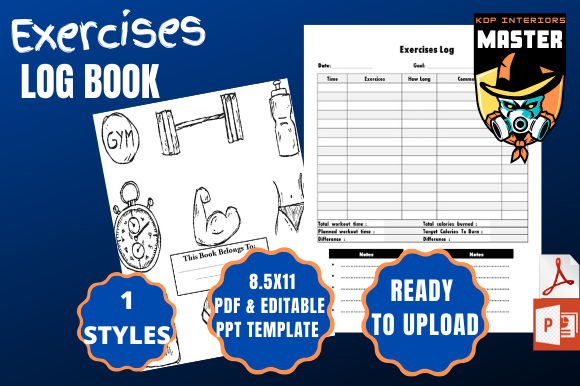
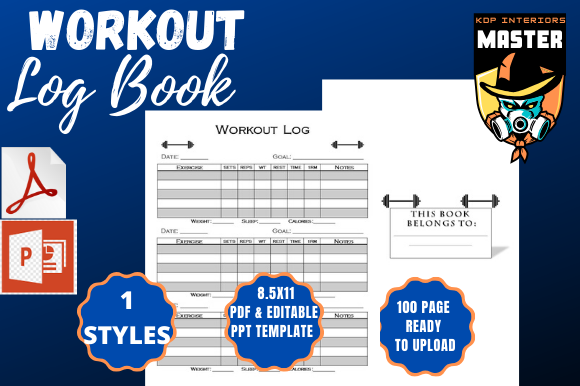
The package includes both PDF and PPT files, making it easy to integrate into both print and digital workflows. With 100 pages and bleed settings enabled, the design files are optimized for professional printing on 8.5×11 inch paper. Whether you're preparing a workbook, presentation, or branded asset, the included formats ensure flexibility and ease of use across platforms.
Final Thoughts on Workout Log Book
For designers, marketers, and content creators, typography is more than a stylistic choice—it’s a communication tool. Workout Log Book delivers a clean, modern aesthetic that supports a wide range of creative and commercial applications. Its readability, adaptability, and professional finish make it a reliable choice for branding, editorial work, web design, and beyond.
When used thoughtfully, this font enhances visual hierarchy, strengthens brand identity, and improves audience engagement. Whether you're designing a product catalog, a digital report, or a social media campaign, Workout Log Book provides the clarity and consistency needed to communicate your message effectively.
As with any design asset, the key is to use Workout Log Book intentionally. Test it in different contexts, pair it with complementary typefaces, and ensure it aligns with your project’s overall goals. With its clean structure and versatile appeal, this font is more than just a design element—it’s a practical tool that supports your creative vision.