12 Backgrounds for Covers V3: A Comprehensive Guide for Designers and Creators
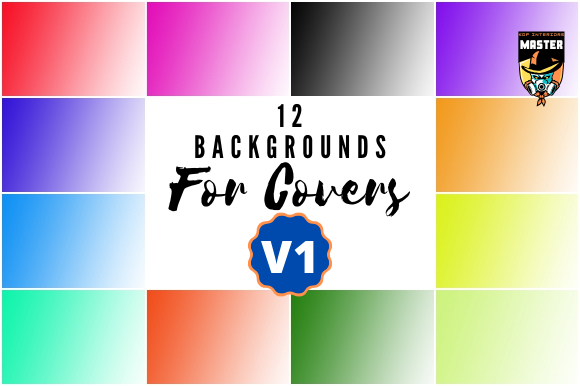
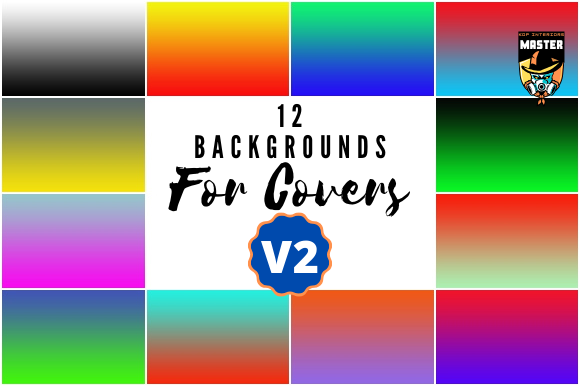
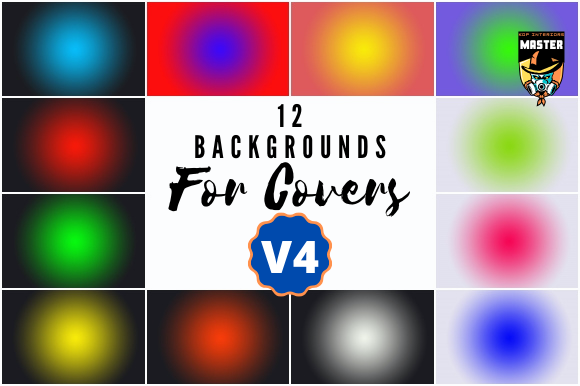
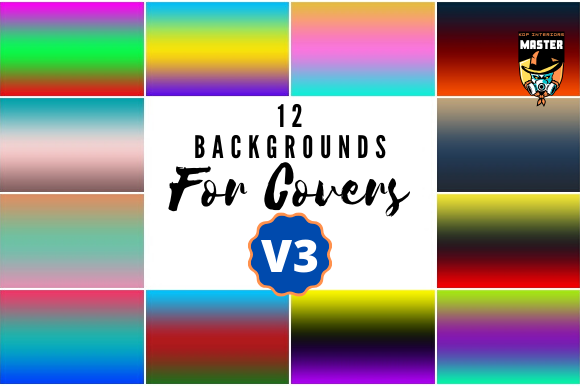
When it comes to crafting visually compelling covers for books, albums, or digital content, the right background can make all the difference. 12 Backgrounds for Covers V3 offers a curated collection of high-quality JPEG files designed to elevate your creative projects. With precise technical specifications and versatile aesthetics, this package is a valuable asset for designers, marketers, and content creators across industries.
Understanding the Technical Details
Each of the 12 backgrounds included in this set is delivered as a JPEG file with specific dimensions and resolution to ensure compatibility with both digital and print workflows. The pixel dimensions of 1920×1080 make them ideal for use on websites, social media, or video thumbnails, while the print dimensions of 6.4″x3.6″ ensure they scale well for physical media such as book covers or promotional cards.
The color mode is set to RGB, which is optimized for digital displays, ensuring vibrant and accurate color reproduction on screens. Additionally, the 300 DPI resolution guarantees sharpness and clarity when printed, making these backgrounds suitable for both online and offline use without compromising quality.
Why Backgrounds Matter in Cover Design
A well-chosen background sets the tone for your content. Whether it's a book cover that needs to grab attention on a crowded shelf or an album art piece that should reflect the mood of the music, the background plays a critical role in conveying the right message. The 12 backgrounds included in this pack offer a variety of textures, colors, and visual themes to suit a wide range of genres and styles.
For example, a dark, moody background might be perfect for a thriller novel or a dramatic album cover, while a bright, abstract design could work well for a motivational book or upbeat music release. These backgrounds are not just decorative—they’re storytelling tools that help communicate the essence of your project before a single word is read or a single note is heard.
How to Use These Backgrounds Effectively
- Layering with text: Many of the backgrounds in 12 Backgrounds for Covers V3 offer subtle textures or gradients that allow for easy overlay of text elements without overwhelming the message.
- Matching brand identity: If you're creating a series of covers or marketing materials for a brand, these backgrounds can be selected to align with your existing color scheme and visual language.
- Creating contrast: Use darker or more complex backgrounds to create dramatic contrast with light text or icons, or opt for minimalistic ones to keep the focus on your content.
Designers can import these files directly into popular tools like Adobe Photoshop, Canva, or Figma. Because they're JPEGs, they’re universally compatible and easy to integrate into most design workflows without the need for conversion or additional software.
Applications Across Industries and Projects
These backgrounds are not limited to just book or album covers. Their flexibility makes them ideal for a variety of creative applications:
- Podcast artwork: Stand out in podcast directories with a unique and professional look.
- YouTube thumbnails: Use the vibrant designs to create thumbnails that catch the eye and drive clicks.
- Event flyers: Whether digital or printed, these backgrounds add a polished touch to promotional materials.
- Course or workshop landing pages: Present your educational content with a professional backdrop that enhances credibility.
For independent creators and small businesses, having access to a set of ready-to-use, high-quality backgrounds can save time and reduce the need for custom design work, allowing them to focus more on content creation and less on layout details.
Choosing the Right Background for Your Project
Selecting the appropriate background from the 12 provided in V3 depends on several factors:
- Target audience: A youthful, energetic audience might respond better to bold colors and dynamic patterns, while a professional or academic audience may prefer subdued tones and clean textures.
- Content genre: Match the background's mood to the subject matter—romance novels might lean toward soft pastels, while sci-fi could benefit from futuristic or abstract designs.
- Visual hierarchy: Ensure that the background doesn't compete with the main message or imagery on your cover. Simplicity often enhances readability and impact.
It's also worth experimenting with overlays, filters, and opacity adjustments to fine-tune how the background interacts with other design elements. Even a small tweak can dramatically improve the overall composition.
Maximizing Value from 12 Backgrounds for Covers V3
One of the key benefits of this package is its reusability. Designers can build templates around these backgrounds and repurpose them across multiple projects with minimal adjustments. This consistency helps in maintaining a cohesive visual identity, especially for brands or content creators who produce a steady stream of material.
Additionally, because the backgrounds are royalty-free (assuming standard licensing applies), they can be used across both personal and commercial projects without legal concerns—making them a smart investment for freelancers and agencies alike.
Final Thoughts on Visual Consistency and Professionalism
In a world where first impressions are often made online, the visual quality of your content can significantly influence how it's received. The 12 Backgrounds for Covers V3 package offers a practical, high-quality solution for creators who want to maintain a professional look without the need for advanced design skills.
By combining technical precision with aesthetic appeal, this collection empowers users to create covers that not only look great but also perform well in terms of engagement and audience retention. Whether you're a self-published author, an indie musician, or a digital marketer, these backgrounds can help you present your work in the best possible light—literally and figuratively.