Sketchbooks: A Practical Resource for Low Content Book Creators on KDP
For independent authors and creators looking to expand their offerings on Amazon KDP, low content books provide a streamlined way to publish without the need for extensive writing or design work. Among the most popular low content formats are sketchbooks—blank or lightly templated books intended for drawing, journaling, and creative expression. These books are not only in demand among artists and hobbyists but also represent a scalable opportunity for publishers who understand the market.
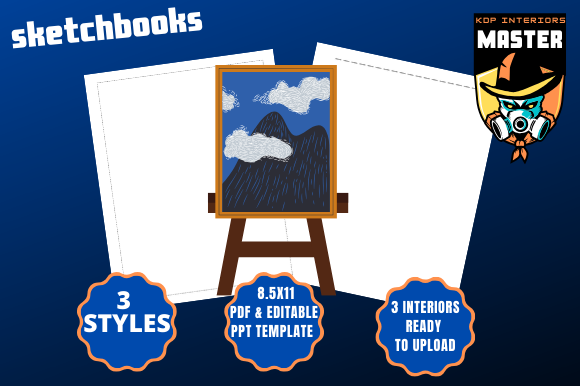
Sketchbooks refers to a category of interior templates specifically designed for use in low content publishing. These products typically include professionally formatted PDFs with a variety of sketch-friendly layouts, all optimized for print-ready upload to Amazon KDP. The latest versions offer a 100-page interior in 8.5x11 inch trim size with bleed, ensuring compatibility with KDP’s print-on-demand system. Additionally, these templates often come with editable PowerPoint files, allowing creators to customize layouts without needing advanced design software.
Why Consider Sketchbooks?
One of the primary reasons creators are turning to sketchbooks is their broad appeal. Artists, students, designers, and casual doodlers all benefit from a well-structured blank or semi-guided sketchbook. Unlike more niche low content formats, sketchbooks have a relatively universal target audience, which can translate into steady sales across multiple marketplaces.
Moreover, the ease of production makes sketchbooks an attractive option. With a professionally designed template package, creators can upload and publish within hours, minimizing the time investment. The inclusion of editable PPT files also allows for quick customization, enabling creators to differentiate their product from others in the same category.
Benefits of Using Ready-Made Sketchbook Templates
- Time Efficiency: Pre-designed templates eliminate the need to create layouts from scratch, speeding up the publishing process significantly.
- Print Readiness: Templates are optimized for KDP’s specifications, including bleed and trim size, reducing the likelihood of formatting errors.
- Customization Options: Editable PowerPoint files allow users to tweak designs without needing Adobe InDesign or similar tools, making the process more accessible to beginners.
- Consistency: Professionally designed pages ensure a clean, uniform appearance that appeals to buyers and supports brand recognition across multiple titles.
- Scalability: Once a creator becomes familiar with the format, they can publish multiple variations—such as themed sketchbooks or different page counts—to expand their catalog efficiently.
Considerations and Tradeoffs
While sketchbooks offer numerous advantages, they are not without limitations. One of the primary tradeoffs is the relatively low price point at which these books typically sell. Most low content books, including sketchbooks, are priced between $5 and $12, which means creators need volume to generate substantial income. Additionally, because these templates are widely available, the market is highly competitive. Standing out requires thoughtful branding, strategic keyword use, and sometimes niche targeting.
Another consideration is the depth of customization. While the included PPT templates offer flexibility, they may not allow for the same level of detail or unique design elements that a custom InDesign layout would provide. Creators with specific design goals or those targeting a very particular audience may find the templates limiting.
When Sketchbooks Make Sense
Sketchbook templates are especially well-suited for creators who:
- Want to launch books quickly and efficiently.
- Are new to KDP and want to start with a proven format.
- Are targeting general audiences rather than niche markets.
- Plan to build a catalog of similar titles to increase visibility and sales.
They are also a good fit for those who prefer to focus on marketing and branding rather than design. With the interior already handled, creators can allocate more time to optimizing book descriptions, cover design, and advertising strategies.
When Alternatives Might Be Better
There are scenarios where investing in a custom design or choosing a different type of low content book might be more appropriate. For example, if you're targeting a very specific audience—such as architecture students or professional illustrators—you may benefit more from a custom-designed sketchbook that includes specialized grids, scales, or reference materials.
Similarly, if your goal is to command a higher price point, you may want to consider producing premium sketchbooks with added value, such as perforated pages, premium paper types, or integrated prompts. These features are more difficult to achieve using standard templates and may require deeper involvement in the design and production process.
Practical Insights for Decision-Making
Before purchasing and publishing a sketchbook template, consider the following:
- Market Research: Look at top-selling sketchbooks on Amazon and note what they have in common—page count, layout style, trim size, and pricing. Use this information to guide your template selection.
- Brand Alignment: Ensure the template aligns with your brand’s visual identity. If the default design doesn’t match your existing titles, consider how easy it is to modify colors, fonts, and layouts.
- Long-Term Strategy: Think about how this book fits into your overall publishing strategy. Will you publish variations? Can you bundle this with other products or create companion titles?
- Platform Compatibility: Confirm that the template is compatible with KDP’s current specifications, especially regarding trim size, bleed, and margins. Templates should be up-to-date to avoid rejection during upload.
- Customer Value: Ask yourself what value the sketchbook provides to the buyer. Is it simply a blank notebook, or does it offer subtle features like line spacing, themed headers, or inspirational quotes?
Conclusion
Sketchbooks are a versatile and accessible format for creators entering or expanding within the low content publishing space. With professionally designed templates now readily available, the barriers to entry are lower than ever. However, success depends on thoughtful execution—from market research and branding to customization and long-term planning.
If you're looking to build a catalog efficiently and reach a wide audience, adding a high-quality sketchbook to your lineup is a smart move. But if your goals include deeper customization, niche targeting, or premium pricing, it may be worth exploring alternative formats or investing in bespoke design.
Ultimately, the decision to use a sketchbook template should be based on your business model, creative capacity, and market strategy. By evaluating these factors carefully, you can determine whether this format aligns with your goals and how best to leverage it for success on KDP.