Accountant Journal Q and A: A Strategic Tool for Clarity, Planning, and Growth
Understanding the Value of Accountant Journal Q and A
The Accountant Journal Q and A is more than a notebook for accountants—it's a structured framework for thinking, planning, and decision-making. Designed to guide professionals through key questions and reflections, it supports clarity, accountability, and strategic action. Whether you're a small business owner, a freelance accountant, or a decision-maker in a growing firm, the Accountant Journal Q and A can help you align daily actions with long-term goals.
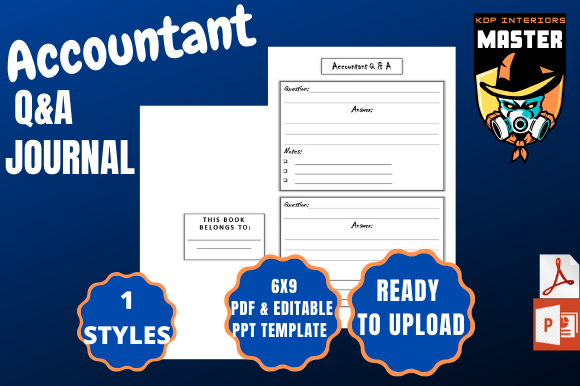
At its core, this tool encourages intentional thinking. It prompts users to document insights, track progress, and evaluate decisions. The format—simple Q and A sections—makes it accessible while allowing for depth. Used consistently, it becomes a living record of growth, challenges, and learning.
How Accountant Journal Q and A Supports Strategic Growth
Strategic use of the Accountant Journal Q and A extends beyond note-taking. It can support several critical business functions:
- Goal Setting: Define clear, measurable objectives and track progress over time.
- Planning: Map out steps, anticipate obstacles, and allocate resources effectively.
- Decision-Making: Reflect on past choices, analyze outcomes, and refine future actions.
- Communication: Prepare for client meetings, internal reviews, or investor discussions with clarity and purpose.
- Learning: Capture lessons learned and apply them to future scenarios.
For entrepreneurs and professionals, the Accountant Journal Q and A is a way to build habits of reflection and foresight. It supports a proactive mindset, helping users stay focused on what matters most.
When and How to Use the Accountant Journal Q and A
This tool is most effective when used consistently and with intention. It’s not meant for random entries or last-minute scrambles. Instead, it works best as part of a routine—whether daily, weekly, or monthly. Consider using it during:
- Quarterly reviews: Assess financial health, client satisfaction, and team performance.
- Project planning: Define scope, budget, and timelines with clarity.
- Client onboarding: Capture key details, expectations, and deliverables.
- Professional development: Track learning, certifications, and networking opportunities.
Approach each entry with a clear objective. Ask specific questions, provide thoughtful answers, and refer back to previous entries to identify patterns and opportunities. The goal is not just to record, but to reflect and act.
Key Considerations Before Using the Accountant Journal Q and A
Before diving in, it's important to understand what the Accountant Journal Q and A can and cannot do. It is not a substitute for formal accounting software or legal documentation. Rather, it complements those tools by providing a space for strategic thinking and personal development.
Users should also consider:
- Consistency: Regular use is key to building momentum and insight.
- Privacy: Some entries may contain sensitive information; store the journal securely.
- Customization: Tailor the questions to your specific needs and industry context.
- Integration: Align journaling with other planning tools like calendars, project management software, or financial dashboards.
Practical Examples of Using the Accountant Journal Q and A
Here are a few real-world applications of the Accountant Journal Q and A:
- Tax Season Preparation: Use the journal to track client deadlines, document common issues, and plan for next year’s improvements.
- Client Retention Strategy: Record feedback from client meetings and brainstorm ways to improve service delivery.
- Business Development: Outline goals for new clients, referrals, or service offerings.
- Personal Finance Management: Freelancers and consultants can use the journal to manage their own finances, track income and expenses, and plan for tax obligations.
These examples show how the Accountant Journal Q and A can be adapted to different roles and contexts. The key is to find a rhythm that works for you and stick with it.
Common Pitfalls to Avoid
One of the biggest risks of using the Accountant Journal Q and A is inconsistency. If used sporadically, its value diminishes. Similarly, using it without a clear purpose can lead to wasted time and frustration.
Other pitfalls include:
- Overcomplicating entries: Keep answers focused and actionable.
- Ignoring patterns: Review past entries regularly to identify trends and adjust strategies.
- Using it as a to-do list: The journal is for reflection and planning, not task management.
- Lack of follow-through: Insights are only valuable if they lead to action.
Maximizing the Long-Term Value of the Accountant Journal Q and A
To get the most from the Accountant Journal Q and A, treat it as a strategic asset, not just a notebook. Here’s how:
- Set review cycles: Schedule time each month to revisit past entries and update goals.
- Create a habit: Make journaling part of your routine, like reviewing your calendar or checking your finances.
- Link to outcomes: Connect journal entries to real-world results, whether it’s improved client satisfaction, increased efficiency, or better decision-making.
- Share selectively: Use the journal as a preparation tool for team meetings, client reviews, or mentorship discussions.
Over time, this practice builds a repository of insights that can guide your career or business decisions with confidence and clarity.
Why the Accountant Journal Q and A Belongs in Your Toolkit
In a world where time and focus are limited, the Accountant Journal Q and A offers a simple yet powerful way to stay grounded in your goals. It’s not about perfection—it’s about progress. By asking the right questions and recording thoughtful answers, you create a roadmap for growth, learning, and resilience.
Whether you're launching a new service, managing a growing client base, or refining your personal finance habits, the Accountant Journal Q and A can help you stay focused, organized, and intentional. It’s not just a tool—it’s a mindset.
Final Thoughts on Using the Accountant Journal Q and A Intentionally
The true value of the Accountant Journal Q and A lies in how it’s used. It’s not enough to simply own one or fill it out occasionally. To unlock its full potential, you must approach it with purpose, consistency, and curiosity.
Use it to ask hard questions, challenge assumptions, and refine your approach. Treat it as a confidential space for growth, not just a record of tasks. And above all, make it a part of your ongoing journey toward better decisions and better results.
With the right mindset, the Accountant Journal Q and A becomes more than a resource—it becomes a strategic partner in your professional and personal development.