Personal Expense Tracker: Avoid Common Pitfalls and Make Smarter Financial Choices
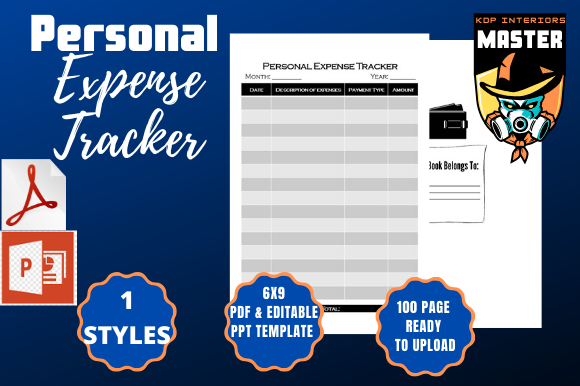
Managing personal finances doesn’t have to be complicated. With the right tools, like the Personal Expense Tracker, you can take control of your spending, spot trends, and make informed budgeting decisions. Designed for ease of use and instant access, this 100-page PDF and accompanying PPT file offer a structured way to monitor income, expenses, and savings goals. Whether you're a freelancer tracking monthly cash flow or a small business owner streamlining personal finance, the Personal Expense Tracker is built to support your financial clarity.
Why People Choose the Personal Expense Tracker
One of the key reasons users opt for this tracker is its simplicity and flexibility. It’s ideal for individuals who want a ready-to-use format that doesn’t require technical skills. The inclusion of both PDF and PPT files means you can view, print, or customize the templates to suit your needs. Plus, with bleed settings enabled and a standard 6x9-inch dimension, it's optimized for KDP publishing, making it a solid choice for creators looking to share financial tools with a wider audience.
Common Mistakes When Using a Personal Expense Tracker
Despite its benefits, many users fall into predictable traps that reduce the tracker’s effectiveness. Here are some of the most common issues and how to avoid them:
1. Not Understanding the File Format and Layout
Some users assume the PDF is editable, when in fact it's often designed for viewing or printing. The PPT file, on the other hand, is typically where customization happens. Failing to recognize this can lead to frustration and wasted time trying to edit the wrong file.
Better approach: Always check the product description before downloading. Look for notes on which file is intended for editing and which is for reference. If unsure, reach out to the seller or check support documentation.
2. Overlooking Page Count and Design Consistency
A 100-page document might seem excessive for a simple expense tracker, but it often includes multiple templates, examples, and instructional pages. However, some users skip ahead without reviewing the full content, missing out on valuable guidance.
Better approach: Take time to scan through the entire PDF before diving in. You may find pre-built categories, tips for effective tracking, or even sample entries that can streamline your process.
3. Ignoring KDP Readiness and Print Settings
If you're planning to publish the tracker or print it professionally, bleed settings and dimensions matter. Some users overlook these technical details, which can result in misaligned pages or formatting issues when printed.
Better approach: Confirm that the product is optimized for KDP and that the bleed settings are properly applied. If you're unfamiliar with print-on-demand requirements, look for a guide or choose a product that clearly states it's “ready to upload.”
4. Misjudging the Need for Customization
Many assume that a ready-made tracker will fit all their needs out of the box. While the Personal Expense Tracker is versatile, it’s not one-size-fits-all. Categories, formatting, and even the level of detail may need adjustment to match your unique financial habits.
Better approach: Use the PPT file to tweak categories, add new sections, or adjust the layout. Don’t hesitate to personalize the tracker to reflect your spending patterns, such as adding a section for subscription services or travel expenses.
What to Check Before Downloading or Using the Tracker
Before committing to a purchase or download, take a few minutes to verify the following:
- File compatibility: Ensure the PDF and PPT files are compatible with your software. Some older versions of PowerPoint or PDF readers may not support certain features.
- Page count and structure: Confirm that the 100 pages include useful templates, not just filler content. Look for a table of contents or sample pages in the product preview.
- Print specifications: Check the dimensions and bleed settings if you plan to print the tracker or publish it on KDP.
- Customer reviews: Read feedback from other users to see if they encountered any issues with usability or formatting.
How to Maximize the Value of Your Personal Expense Tracker
Once you've selected the right version and understood its format, the next step is to use it effectively. Here are some practical tips:
- Set clear goals: Know what you want to achieve—whether it’s cutting monthly expenses, saving for a trip, or understanding where your money goes.
- Update regularly: A tracker only works if you keep it current. Schedule a weekly or monthly time to log expenses and review your progress.
- Use both files: Keep the PDF as a reference and use the PPT file to create a version tailored to your lifestyle.
- Review and adjust: At the end of each month, evaluate what worked and what didn’t. Modify categories or tracking methods as needed.
Real-World Example: From Frustration to Clarity
Jessica, a freelance writer, initially struggled with a generic budgeting app that didn’t fit her irregular income. After downloading the Personal Expense Tracker, she was confused by the two file types and skipped the instructions. It wasn’t until she revisited the PPT file and customized the templates to include her variable income and project-based expenses that she saw real progress. Now, she updates her tracker weekly and has a clearer picture of her financial health than ever before.
Final Thoughts: Choose Wisely, Use Thoughtfully
The Personal Expense Tracker offers a valuable foundation for anyone looking to improve their financial habits. But like any tool, its effectiveness depends on how well you understand and use it. By avoiding common mistakes—like misunderstanding file types, overlooking print settings, or skipping customization—you can ensure the tracker works for you, not against you. Always take a moment to review what you’re downloading, and don’t be afraid to tailor it to your unique needs. With a little attention upfront, you’ll have a reliable companion for managing your finances with confidence.