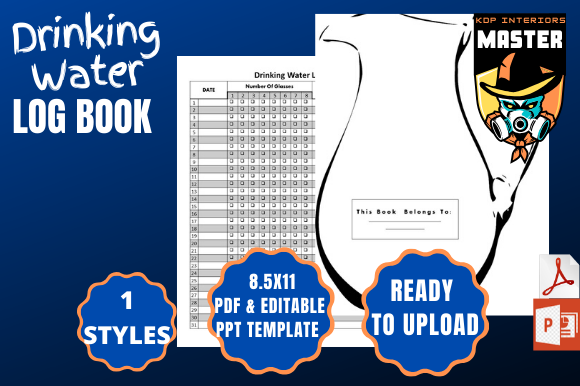
How a Drinking Water Log Book Can Improve Your Daily Routine
Staying hydrated is more than a daily goal—it’s a health essential. Yet, with busy schedules and competing priorities, many adults struggle to track their water intake effectively. That’s where a Drinking Water Log Book comes in handy. Designed to help users monitor and maintain consistent hydration, this tool is especially useful for people who want a simple, visual way to stay on track.
This log book typically includes daily charts, progress markers, and motivational prompts to encourage regular water consumption. Whether you're a working professional, a fitness enthusiast, or a parent managing a hectic lifestyle, a structured log can make a real difference in your hydration habits.
Real-World Scenarios Where a Drinking Water Log Book Makes a Difference
One of the most common situations where a Drinking Water Log Book proves beneficial is in the workplace. Office workers often forget to drink water throughout the day, especially when buried in meetings or tight deadlines. Having a physical log on the desk serves as a gentle reminder to take a sip and stay hydrated.
Fitness trainers and gym-goers also find this tool valuable. When you're pushing your body during workouts, hydration becomes even more critical. Using a log book allows you to track how much water you're consuming before, during, and after exercise. This habit can prevent dehydration and support better performance and recovery.
For parents or caregivers, keeping track of hydration for the whole family can be challenging. A log book can be used as a visual chart for children, encouraging them to drink water throughout the day. Turning hydration into a fun activity with stickers or checkmarks can make it easier to establish healthy habits early on.
Who Can Benefit Most from a Drinking Water Log Book?
While anyone can benefit from tracking water intake, some groups find the Drinking Water Log Book especially useful. Health-conscious individuals aiming to improve their daily routines often use these logs as part of a broader wellness strategy. It's also a helpful tool for people recovering from illness or surgery, where proper hydration supports faster healing.
Healthcare professionals sometimes recommend hydration logs for patients dealing with kidney stones, urinary tract infections, or other conditions where water intake plays a crucial role. In these cases, a structured log provides a reliable way to meet daily fluid goals and share progress with medical providers.
Teachers and school staff can also benefit from using a log book. Keeping hydrated during long school days helps maintain focus and energy levels. Some educators even introduce water logs to students as part of health and wellness education, promoting lifelong healthy habits.
Industries and Applications Beyond Personal Use
The Drinking Water Log Book isn't just for individual use—it has applications in various industries. Corporate wellness programs often include hydration tracking as part of employee health initiatives. Companies aiming to improve workplace wellness might distribute log books to encourage employees to stay hydrated, which can boost productivity and reduce fatigue.
In the hospitality industry, particularly in gyms, spas, and wellness centers, log books can be offered as part of client packages. Trainers and nutritionists might use them as tools to guide clients toward better hydration habits. Some spas even integrate them into detox or wellness challenges to enhance guest experiences.
Event planners and outdoor activity coordinators also find value in hydration logs. Whether organizing marathons, hiking trips, or summer camps, ensuring participants stay hydrated is essential. Providing a log book can help attendees track their intake and understand the importance of hydration during physical activities.
Choosing the Right Drinking Water Log Book
When selecting a Drinking Water Log Book, there are a few key considerations to keep in mind. First, think about the format that works best for you. The product described here includes a 100-page PDF file and a PPT file, both designed for easy use and instant download. With bleed settings enabled and dimensions of 8.5×11 inches, this version ensures a professional print-ready layout suitable for KDP upload.
For digital users, the PDF format allows for easy annotation on tablets or smartphones. Those who prefer a physical copy can print the pages and use them as a reusable weekly or monthly tracker. The PPT file adds flexibility, enabling users to customize slides for presentations, educational materials, or personal tracking displays.
Before downloading or printing, consider how you plan to use the log. If you’re someone who likes to carry a small notebook, this full-size version might be more than you need. However, if you prefer a detailed tracker with space for notes and goals, the 100-page format offers plenty of room to personalize your experience.
Strengths and Limitations of a Drinking Water Log Book
One of the main strengths of the Drinking Water Log Book is its simplicity. Unlike apps that require charging or internet access, a physical or downloadable log offers a low-tech solution that’s always accessible. It also provides a tactile experience—checking off entries by hand can be satisfying and motivating for many users.
Additionally, the ability to customize the log to fit personal goals or preferences enhances its usability. Whether you want to track ounces per hour, set reminders, or add motivational notes, the flexibility of the PDF and PPT files makes it easy to tailor the experience.
However, there are some limitations to consider. For instance, a printed log requires manual entry, which may not appeal to everyone. Some users might prefer digital tracking apps that automatically calculate intake or sync with fitness devices. Also, if you're frequently on the move, carrying a physical log book may not be practical unless it’s compact or stored digitally.
Final Thoughts on Practical Use
Ultimately, the Drinking Water Log Book is a versatile and accessible tool that supports better hydration habits across various lifestyles. Whether used at home, in the office, or as part of a wellness program, it offers a structured yet flexible way to stay on top of your water intake.
By understanding your personal needs and preferences, you can choose the format that works best for you—digital, printed, or a combination of both. With the right approach, a log book can transform hydration from an afterthought into a consistent, rewarding habit that supports your overall well-being.