Graph Paper for Creative Projects and Amazon KDP Publishing
Graph paper is more than just a grid—it’s a versatile tool that fuels creativity, structure, and clarity across a wide range of personal and professional projects. Whether you're a designer sketching layouts, an author formatting a journal, or an entrepreneur planning content, graph paper provides a clean foundation for organizing ideas visually. Its structured layout helps maintain alignment, proportion, and consistency, making it especially valuable for creators preparing content for print-on-demand platforms like Amazon KDP.
Why Graph Paper Works for Digital and Print Creations
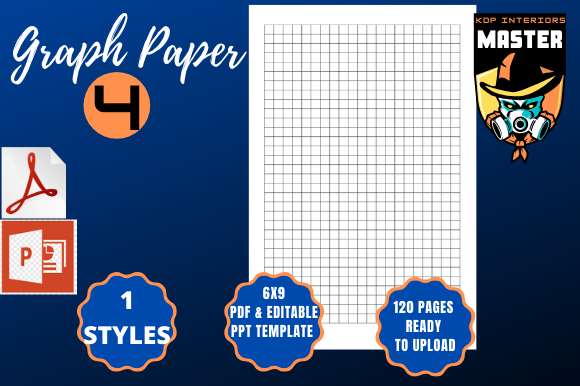
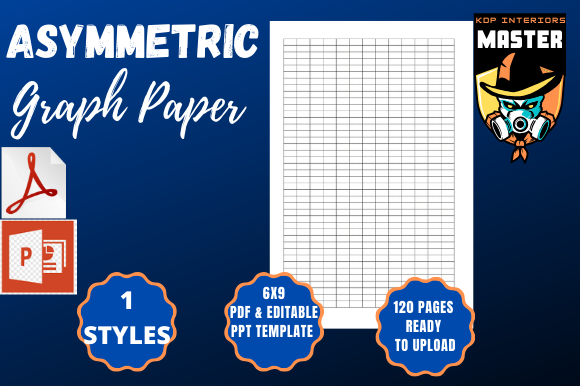
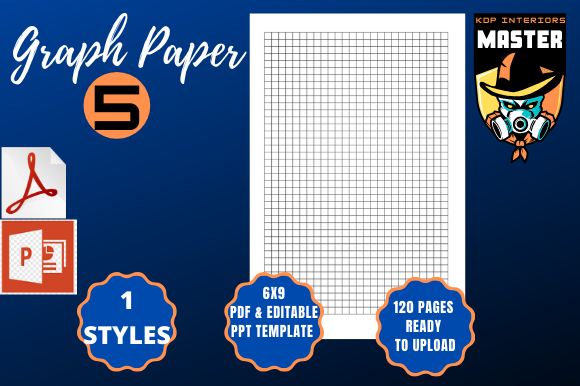
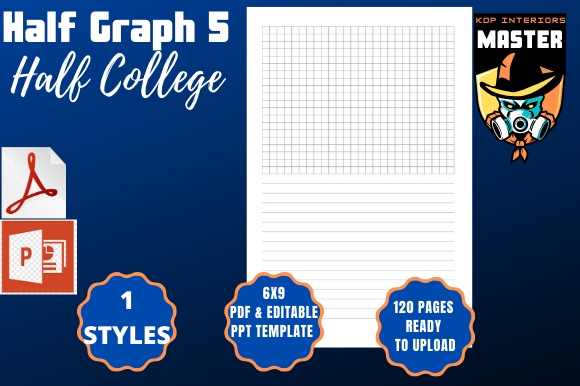
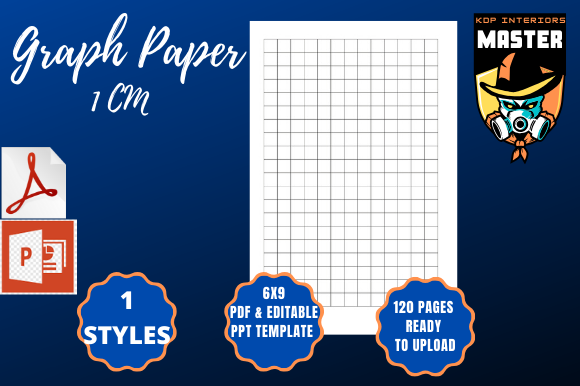
The grid format of graph paper supports a wide array of creative applications. It’s ideal for wireframing websites, sketching diagrams, plotting data, or designing custom notebooks. For creators working with Amazon KDP, using graph paper as a base ensures that content aligns perfectly within the 6x9-inch format, with bleed settings enabled for a polished, print-ready result. The 120-page composition notebook format allows for substantial creative depth, whether you're developing a guided journal, a sketchbook, or a structured planner.
Creative Uses for Graph Paper in Publishing and Beyond
From educators designing interactive workbooks to marketers crafting visual strategy templates, graph paper offers a flexible canvas. Here are a few ways different creators can apply it:
- Designers: Use it to sketch layouts, plan grids, or draft infographics before moving to digital tools.
- Bloggers: Create editorial calendars, content maps, or visual brainstorming boards.
- Entrepreneurs: Draft business models, SWOT analyses, or customer journey maps with clear visual alignment.
- Educators: Build custom worksheets, math problem sets, or science lab templates with consistent spacing.
- Hobbyists: Explore pixel art, cross-stitch patterns, or architectural sketches with precision.
How to Maximize Graph Paper for Amazon KDP Projects
If you're preparing a notebook or workbook for Amazon KDP, using graph paper as your foundation can streamline the process. With the correct specifications—120 pages, 6x9-inch dimensions, bleed settings enabled, and a single PDF file—you can ensure your product uploads smoothly and prints professionally. The included PPT file also allows for easy customization, letting you add headers, prompts, or branding elements before finalizing your layout.
Here’s how to make the most of your graph paper KDP project:
- Start with a clear theme: Whether it's a gratitude journal, goal tracker, or design sketchbook, define the purpose early to guide your layout and content.
- Use the grid for consistency: Align text, illustrations, and diagrams to maintain a clean, professional look throughout the book.
- Customize strategically: Add minimal design elements like borders, icons, or page numbers to enhance usability without overwhelming the grid structure.
- Test your layout: Preview your PDF on different screen sizes and print a sample to ensure readability and formatting accuracy.
- Optimize for audience needs: Consider how your users will interact with the book—do they need extra space for notes, prompts, or drawing?
Adapting Graph Paper Across Creative Fields
One of the most powerful aspects of graph paper is its adaptability. A single template can be repurposed across industries and creative formats. For example:
- Freelancers: Create custom proposal templates, project timelines, or client worksheets.
- Publishers: Develop structured activity books, guided planners, or themed journals for niche audiences.
- Small business owners: Design internal planning tools, budget charts, or service roadmaps.
- Content creators: Build printable resources for your audience, such as habit trackers, vision boards, or productivity sheets.
By thinking beyond the notebook and considering how users engage with structured layouts, you can create products that feel both practical and inspiring.
Keeping Your Graph Paper Projects Clear and Effective
While the grid provides structure, the content you add determines its usefulness. To keep your graph paper-based projects organized and audience-friendly:
- Balance white space and content: Avoid overcrowding the grid. Leave room for writing, sketching, or reflection.
- Maintain visual consistency: Use uniform fonts, spacing, and styling to enhance readability and aesthetic appeal.
- Focus on usability: Think about how someone will actually use the notebook—should pages be numbered? Should there be section dividers?
- Test with real users: If possible, share a sample with your target audience to gather feedback before finalizing your design.
Real-World Examples of Graph Paper in Action
Let’s look at a few practical examples to spark your next project idea:
- Design-focused journal: A minimalist sketchbook using graph paper for layout and proportion guidance.
- Goal-setting workbook: Pages divided into sections for monthly objectives, habit tracking, and reflection prompts.
- Math and science notebook: Structured pages for equations, graphs, and lab notes with consistent spacing.
- Visual planning tool: A business strategy notebook with templates for customer personas, product roadmaps, and marketing funnels.
- Creative writing journal: Lined and grid sections for outlining stories, mapping character arcs, or sketching storyboards.
Final Thoughts on Using Graph Paper Creatively
Graph paper is more than a background—it’s a tool that supports clarity, creativity, and consistency. Whether you're building a product for Amazon KDP or organizing your own creative process, leveraging the grid format can elevate your work. With the right balance of structure and flexibility, you can create notebooks, journals, and workbooks that are both functional and inspiring. And with the included PDF and PPT files, you have a ready-to-use foundation that’s easy to customize and publish.