Black, Lined Dotted Paper for Journals: A Strategic Tool for Creatives, Entrepreneurs, and Professionals
In the evolving landscape of personal and professional development, the tools we use to organize thoughts, plan strategies, and capture inspiration have never been more important. Among the most innovative and versatile tools gaining traction is Black, Lined Dotted Paper for Journals. This unique format combines the structure of ruled lines with the flexibility of dot grids, offering a dynamic canvas for thinkers, planners, and creators across industries.
More than just a design trend, this hybrid paper style reflects a broader shift in how modern professionals approach productivity, creativity, and personal organization. Whether you're a digital marketer mapping out a campaign, a freelancer sketching a wireframe, or an entrepreneur outlining a business plan, the Black, Lined Dotted Paper for Journals format provides a balanced structure that supports both linear writing and visual thinking.
The Rise of Hybrid Journaling Formats
The growing popularity of Black, Lined Dotted Paper for Journals mirrors the increasing demand for customizable, flexible tools that align with modern workflows. In a world where digital tools dominate, the tactile experience of journaling on physical paper has become a valued counterbalance. This trend is particularly strong among knowledge workers, creatives, and remote professionals who seek analog methods to enhance focus, reduce screen time, and stimulate creativity.
Unlike traditional lined or grid paper, the combination of horizontal lines and faint dot grids allows users to write, draw, and diagram with greater freedom. This versatility makes it an ideal choice for bullet journaling, mind mapping, note-taking, and even sketchnoting. As a result, it's being adopted not only by individual users but also by publishers and self-publishing platforms like Amazon KDP, which are capitalizing on the demand for ready-to-use, high-quality journal templates.
Why Black, Lined Dotted Paper Stands Out
What sets Black, Lined Dotted Paper for Journals apart is its ability to serve multiple functions without overwhelming the page. The black ink adds a clean, professional aesthetic, while the dotted background subtly guides alignment and spacing without imposing rigid boundaries. This design appeals to both left-brained planners and right-brained creatives, bridging the gap between logic and imagination.
- Visual Clarity: The contrast of black lines and dots enhances readability and reduces eye strain.
- Flexibility: Users can write straight lines, draw diagrams, or create custom layouts within the same space.
- Aesthetic Appeal: The minimalist design appeals to modern tastes and complements branding for self-published journals.
These features make it especially attractive for professionals who need to switch between writing, sketching, and planning throughout the day. It's also ideal for those who want to maintain a cohesive, visually pleasing journal that can be referenced and reviewed over time.
How This Format Fits Into the KDP Market
Amazon KDP (Kindle Direct Publishing) has become a go-to platform for creators looking to publish and sell journals, planners, and notebooks. With the rising demand for premium, ready-to-use journal templates, offering a professionally designed Black, Lined Dotted Paper for Journals interior is a smart move for content creators and digital product sellers.
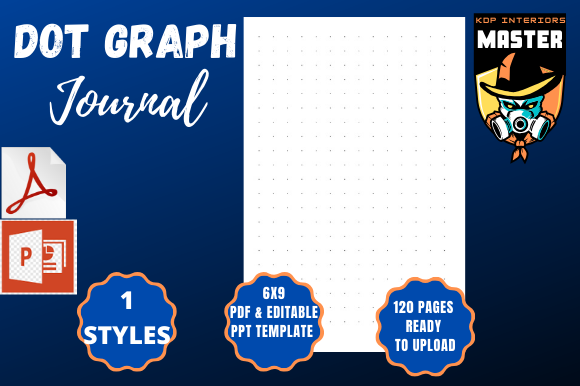
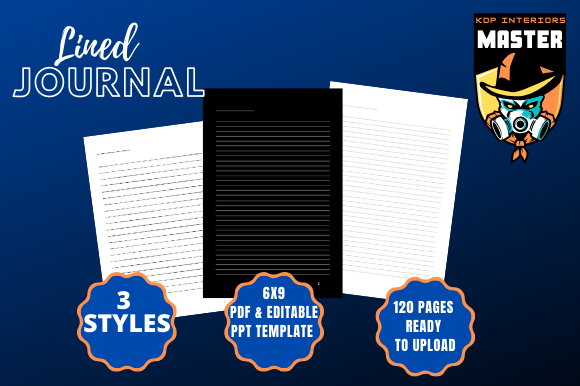
For KDP publishers, the inclusion of a 120-page PDF file with professionally designed interiors—formatted at the standard 6×9 trim size with no bleed—offers a plug-and-play solution. This eliminates the need for advanced design skills or layout software, allowing creators to focus on branding, marketing, and customer engagement.
Moreover, the availability of editable PPT templates gives publishers the flexibility to customize and adapt the design for different niches, such as business planning, goal setting, or creative sketching. This adaptability ensures that the same base product can be repurposed into multiple offerings, increasing its value and reach.
Three Page Styles That Enhance Usability
When building a no-content journal library, variety is key. Offering three distinct page styles within the Black, Lined Dotted Paper for Journals framework allows creators to cater to a broader audience. These styles might include:
- Dotted Grid with Lined Sections: Ideal for combining structured writing with visual elements like charts or diagrams.
- Full Lined with Subtle Dot Background: Perfect for long-form writing while still allowing for light sketching or margin notes.
- Blank Dotted Canvas: Offers maximum flexibility for drawing, brainstorming, or freeform journaling.
By including these variations, publishers can appeal to different user preferences and use cases, from entrepreneurs tracking business goals to artists experimenting with layouts. Each style serves a unique purpose, yet they all maintain a cohesive visual identity, reinforcing the professionalism and thoughtfulness of the product.
Meeting the Needs of a Hybrid Workforce
As remote work, freelance careers, and entrepreneurial ventures continue to grow, so too does the need for adaptable tools that support diverse workflows. The Black, Lined Dotted Paper for Journals format meets this demand by offering a single surface that can be used for everything from meeting notes to vision boards.
Professionals in fields like marketing, design, and consulting often require a mix of structured and unstructured planning tools. Having a journal that supports both linear and visual thinking helps streamline their workflow, reduce cognitive load, and enhance productivity. This is especially relevant in agile environments where adaptability and creativity are essential.
Moreover, the rise of bullet journaling and analog productivity systems has further fueled the demand for customizable paper formats. The Black, Lined Dotted Paper for Journals aligns perfectly with these systems, providing a clean, distraction-free base that users can adapt to their unique needs.
Practical Applications Across Industries
Let’s explore a few real-world examples of how Black, Lined Dotted Paper for Journals can be used effectively across different professions:
- Entrepreneurs: Use the lined sections to outline business strategies and the dotted areas to sketch out business models or flowcharts.
- Marketers: Combine written campaign notes with visual mood boards or content calendars on the same page.
- Designers: Draft quick sketches and annotate them with detailed notes, all within a unified format.
- Freelancers: Track time, manage tasks, and brainstorm ideas in a single notebook that adapts to changing priorities.
These examples illustrate how the format’s flexibility makes it a valuable tool for a wide range of creative and strategic tasks. Its ability to support both structured and unstructured thinking makes it particularly well-suited for professionals who juggle multiple roles or projects.
Conclusion: A Valuable Addition to Any Content Creator’s Toolkit
The Black, Lined Dotted Paper for Journals format is more than a niche design choice—it's a reflection of how modern professionals think, create, and organize their work. As the demand for high-quality, customizable journal templates continues to grow, creators and publishers have a unique opportunity to offer ready-to-use, professionally designed interiors that meet these evolving needs.
With a 120-page PDF and editable PPT files, the package is not only convenient but also scalable, allowing for easy customization and reuse across different niches and markets. Whether you're launching your first journal on KDP or expanding your existing library, this format offers a compelling value proposition for both creators and consumers.
In a world where productivity and creativity are increasingly intertwined, the Black, Lined Dotted Paper for Journals format stands out as a versatile, aesthetically pleasing, and highly functional tool. By integrating this format into your publishing strategy, you're not just selling a product—you're offering a solution that enhances how people think, plan, and create.